Technology-enabled elderly care is becoming the new trend.
In the United States, the startup Inspiren has quickly become a focal point in the field with the industry’s first integrated solution that "directly addresses the core pain points of elderly communities." As an AI predictive engine, Intelligence does not record "what happened yesterday" but analyzes "what is happening now" and tells you "what dangers may arise tomorrow."
Specifically, Inspiren uses the "Geometric Exoskeleton Monitoring (GEM)" technology of its proprietary hardware, AUGi, to track the skeletal geometry and movement trajectories of individuals in real time. The collected data is centrally managed and analyzed by a cloud-based SaaS platform, ultimately providing a one-stop solution to four core pain points in elderly communities—resident safety protection, refined care billing, rapid emergency response, and intelligent staffing.
For example, information such as "movement speed slowed by 15%" or "getting up four times at night" collected by Inspiren is translated into clear signals like "High fall risk alert for Grandpa Liu."
Market recognition further proves the value of the technology: Within just 18 months, Inspiren has been deployed in 150 conventional elderly communities and 33 dementia care communities, covering over 180 offline scenarios. Since its founding in 2023, Inspiren has raised over $155 million in funding.
On the other side of the globe, Japan, hailed as the "global benchmark" for the elderly care industry, is also leveraging technology to upgrade its care services for the second time. Since the early 2000s, the Japanese government and private enterprises have invested heavily in nursing robot technology. By 2018, the government alone had invested over $300 million in the development of such devices.
At the SilverWing care center in Osaka, caregivers wear powered exoskeletons called HAL (Hybrid Assistive Limb). These devices, developed by Cyberdyne, detect electrical signals from the wearer’s muscles and provide additional strength when needed.
In a nursing home in Tokyo’s Setagaya Ward, 88-year-old Grandma Tanaka gently strokes a small white seal. It blinks, emits soft cries, and even nuzzles affectionately against her palm. However, this "seal" is not real—it is PARO, a $6,000 therapeutic robot.
As more countries use technology to reshape the growth trajectory of the elderly care industry, how will China, standing at the forefront of technology, combine local needs to carve out a differentiated path for technology-enabled elderly care?
"We will all live to be 100. In the era of longevity, how should we approach our lives and work?"
In the introduction to the sociological work The 100-Year Life: Living and Working in an Age of Longevity, British scholars Lynda Gratton and Andrew Scott pose this profound question that strikes at the heart of our times.
This issue, which concerns the future of humanity, is becoming increasingly urgent in contemporary China—
The accelerating aging of the population and the growing number of empty-nesters and individuals living alone have become unavoidable social realities. According to the 2024 National Economic and Social Development Statistical Bulletin released by the National Bureau of Statistics, by the end of 2024, China's population aged 60 and above had reached 310 million, accounting for 22.0% of the total population. Additionally, data from the National Health Commission shows that the proportion of empty-nesters in China has reached 54%, with over 12 million elderly living alone.
Longevity is a gift of our era, but it also presents challenges, with the healthcare system being the first to bear the pressure.
Currently, China's healthcare system adopts a fragmented model dominated by specialized care, which suffers from issues such as lack of continuity, low control rates for chronic diseases, high risks associated with polypharmacy, and significant wastage of medical resources. International experience has proven that primary care led by general practitioners is key to addressing aging populations. However, although China's primary care system has received policy attention, it has yet to be fully implemented.
When traditional medical models struggle to meet the demands of the longevity era, the integration of healthcare and elderly care empowered by technology offers a new approach to breaking the impasse.
In high-quality elderly care communities, professional rehabilitation hospitals or general hospitals are increasingly becoming standard fixtures, integrating medical and care facilities at the spatial level to meet the 30-minute golden window for emergency response. This allows seniors to enjoy convenient and efficient medical support within the community.
Naturally, many may wonder: If I live near a top-tier hospital and have easy access to medical care, why would I need to move into an elderly care community?
The key distinction lies in "proactive anticipation."
In China, there are already numerous local practices aligned with international cutting-edge trends. In Taikang Insurance Group's Taikang Community, cutting-edge technologies such as AI, IoT, and big data are deeply integrated into every aspect of medical and care scenarios, creatively establishing a smart healthcare system that embodies the trinity of "perception-decision-execution."
For instance, a compact emergency positioning alert card combines functions such as one-touch emergency calls, precise positioning, two-way communication, access control, and payment. With a simple press of a button, caregivers, security personnel, and medical teams simultaneously receive the distress signal and arrive on-site promptly to provide emergency assistance. For residents with specific needs, smart mattresses can monitor key data such as breathing rate, heart rate, and bed occupancy over extended periods. Should any abnormal fluctuations occur, the system automatically triggers an alert.
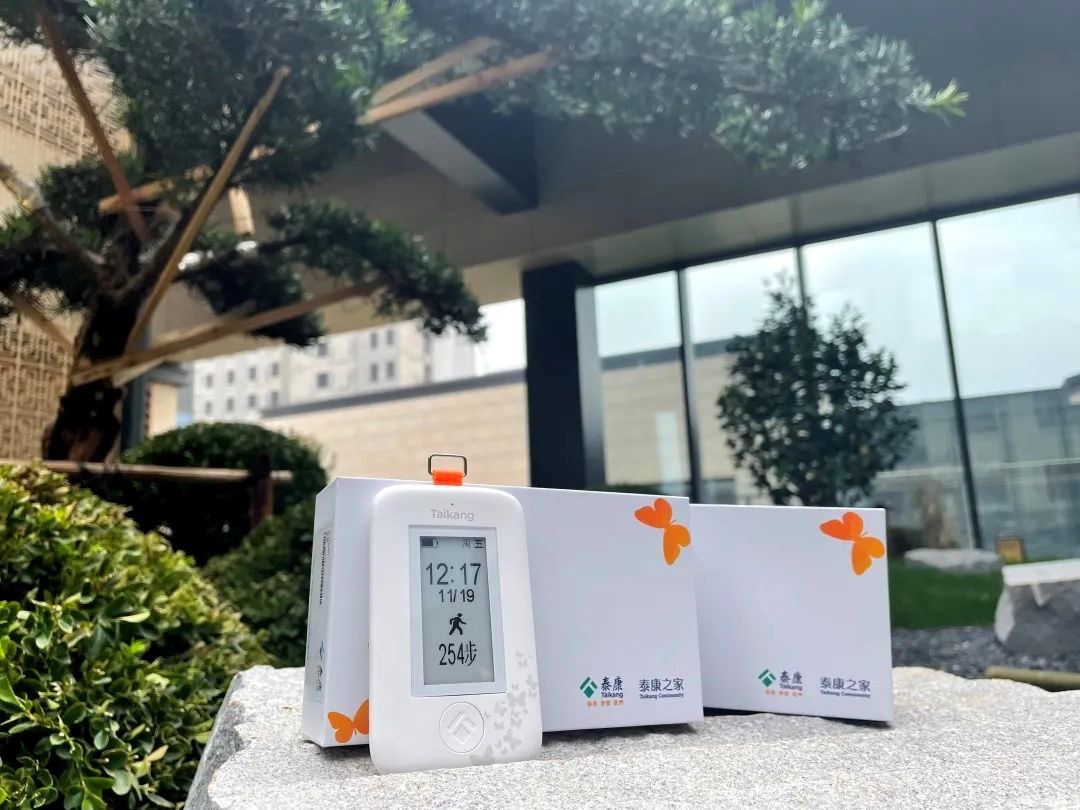 Emergency Positioning Alert Card
With the support of these smart terminals, Taikang Community automatically generates dynamically updated personal digital health records for each resident. Meanwhile, by leveraging large model technology to continuously train on vast health data and professional medical knowledge graphs, the system can accurately match each elder's physical condition, lifestyle habits, and health needs, delivering personalized health management, chronic disease intervention, and rehabilitation care plans.
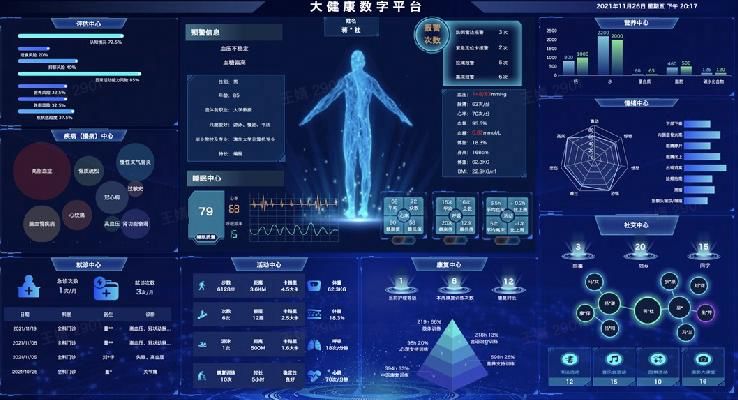 Taikang Community Digital Health Platform
More importantly, behind the realization of these achievements is the robust sensing, decision-making, and execution capabilities of Taikang's self-developed AI-native smart healthcare and elderly care operating system—Taile OS. This system deeply integrates the three core elements of artificial intelligence into every capillary of business processes, forming a data and knowledge flywheel.
Here, it is essential to mention Xiao Tai Smart, an important daily companion for residents of Taikang Community. It serves as an intelligent assistant for seniors and, this year, through Taikang's self-developed large language model, retrieval-augmented generation (RAG) technology, and multi-agent architecture, has achieved three core functions: emotional companionship chat, Taikang knowledge inquiries, and automated execution of Taikang services. This enables elders to conveniently access various services simply by speaking, truly realizing "technology adapting to the elderly" rather than "the elderly adapting to technology."
Of course, technology can also be "warm."
According to ARK Invest’s forecast, starting in 2024 the global “AI + emotional companionship” sector will explode—under an optimistic scenario—from just $30 million in annual revenue to a colossal $150 billion per year. One of the core audiences underpinning this vast potential market is the silver-haired demographic.
For example, the "Peipei" robot introduced at Chongqing First Social Welfare Institution not only provides psychological counseling through emotion recognition but also monitors real-time indicators such as heart rate and blood pressure, while offering entertainment and interactive features. Similarly, South Korea's Hyodol robot can automatically send alerts when detecting abnormal activity in elders.
AI companion robots are evolving from mere "emotional supplements" into comprehensive solutions integrating companionship, health, and safety, addressing the multi-layered needs of the elderly. However, it is important to note that, in the short term, emotional companionship AI products are still in their early stages, facing challenges such as limited proactive interaction, weak situational awareness, and significant cultural and dialect barriers.
Therefore, for elders aging in place, community support and family visits remain more practical sources of emotional sustenance. For those opting for elderly care communities, rich social activities, peer interactions, and professional care can provide more comprehensive physical and mental nourishment.
Taking China's renowned senior living community, Taikang Community, as an example: by the end of 2025, its operational communities nationwide had launched nearly 600 courses and established approximately 350 resident clubs, enabling seniors to enjoy greater spiritual fulfillment, a sense of achievement, and happiness. From knowledge sharing to hobby cultivation, social interaction to philanthropic activities, these thoughtfully designed platforms have not only rebuilt close-knit social networks for the elderly but also allowed every resident to find a sense of belonging and accomplishment through shared passions and companionship.
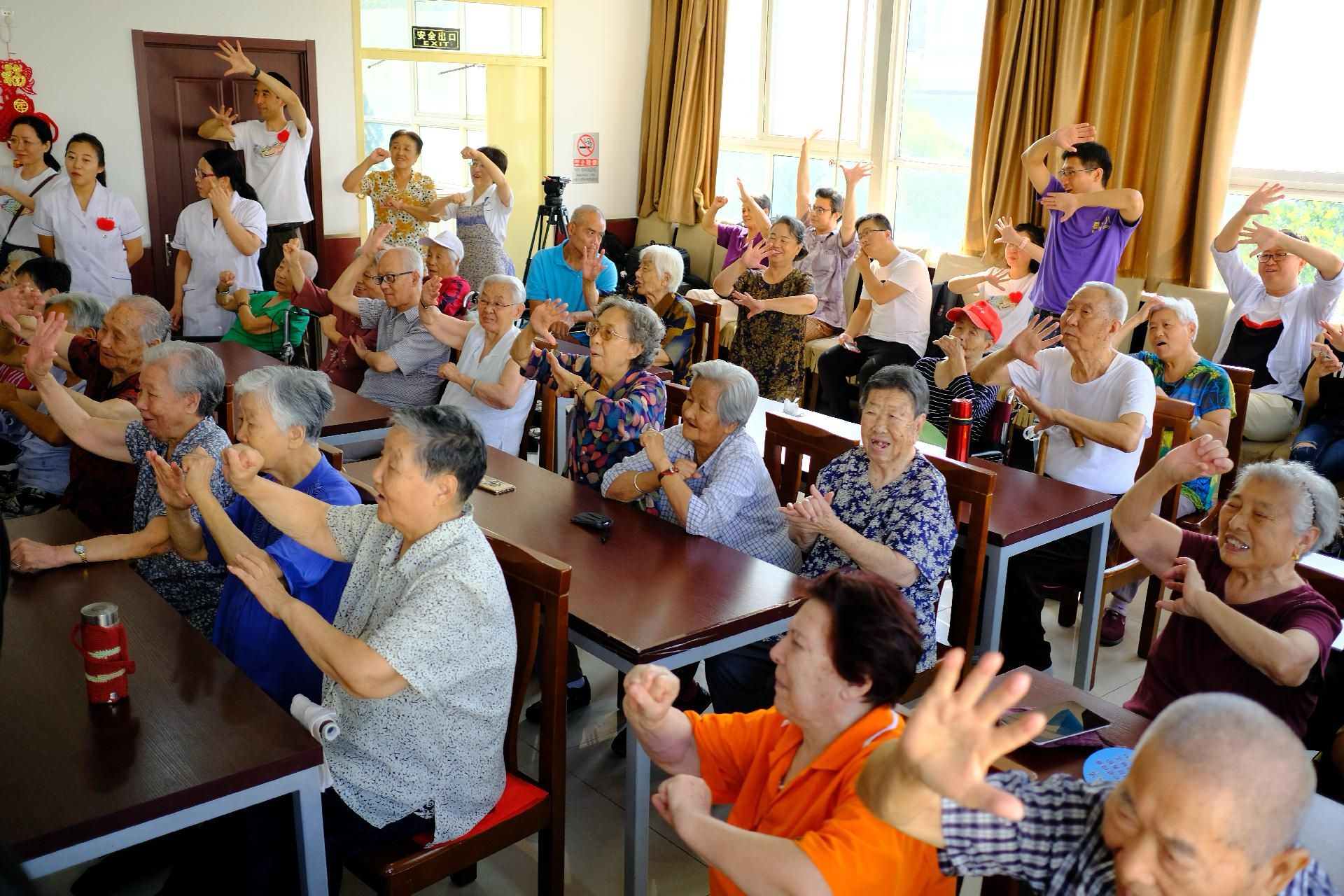
Young people flock to Disneyland in pursuit of fairy-tale-like joy and healing. For the elderly, however, high-quality elderly care institutions that offer comprehensive health protection, a rich spiritual life, and the comfort and security of a fairy-tale paradise have become their longed-for "Disneyland."
Yet between this beautiful aspiration and reality lies a gap that is hard to bridge—financial pressure and limited service accessibility leave most seniors “knowing it’s good but unable to enjoy it.”
Economically, National Health Commission data show China’s elder-care follows a “90-7-3” pattern: roughly 90 % of seniors age in place, 7 % rely on community-based support, and only 3 % move into institutional care. The overriding reason for this stark imbalance is the severe mismatch between the price of elder-care services and seniors’ ability to pay.
The Fifth National Sample Survey on the Living Conditions of Urban and Rural Older Persons reports that in 2021 China’s seniors had an average annual income of RMB 32,027; urban seniors averaged RMB 47,271, while rural seniors averaged RMB 14,105. Social-security benefits remain the dominant income source. By contrast, private elder-care facilities typically charge RMB 4,000–8,000 per month—well above most seniors’ means.
On the service side, high-quality elder care is concentrated in mid- to high-end institutions that ordinary families cannot reach. Traditional services also suffer from insufficient personalization, weak oversight, and uneven professionalism. Even seniors who can afford the fees often still fail to receive truly high-quality care.
如何破解这一“向往却难及”的困境?
How can we overcome the dilemma of "aspiring but unable to access"?
As early as 2019, the Central Committee of the Communist Party of China and the State Council provided a clear answer in the National Medium- and Long-Term Plan for Actively Responding to Population Aging: strengthen the capacity for scientific and technological innovation in addressing population aging, position technological innovation as the primary driver and strategic support for actively responding to population aging, and comprehensively enhance the intelligent level of the national economic industrial system.
It is important to recognize that a key reason for the underdevelopment of elderly care services in China is the misalignment between prices and costs. Since increasing residents' incomes and enhancing their ability to afford elderly care is a slow process, reducing the institutional costs of elderly care services becomes critical to breaking the deadlock. leveraging technology to lower costs and improve efficiency has thus become an inevitable choice.
On the positive side, AI-assisted devices for diagnosis, rehabilitation training, and health monitoring are gradually being deployed and applied in chain-based, large-scale senior care institutions. Behind this successful implementation lies the strategic focus of these institutions, which have dedicated core resources to upgrading medical equipment and training professionals, thereby providing a solid foundation for technological adoption.
Specifically, the use of intelligent monitoring devices to replace some manual patrols has enhanced operational efficiency. Meanwhile, the deeper integration of AI-assisted diagnostic systems has not only improved the accuracy of chronic disease management and ensured service professionalism and consistency but has also effectively controlled labor costs.
Chain-based expansion further amplifies the cost-reducing effects of technology. Centralized procurement of medical equipment, standardized service protocols, and digital management of operational processes… economies of scale dilute the upfront costs of technological investments, gradually making high-quality elderly care services more affordable for ordinary families.
If technology and chain-based models solve the problems of "high costs and fragmented services," then innovation in payment models provides critical support for seniors to overcome economic barriers.
In 2012, Taikang launched the "Happy Life Plan," a product that links insurance with physical retirement communities, pioneering the innovative model of "life insurance payment + elderly care services." By purchasing life insurance products, seniors can not only enjoy long-term compound interest returns, building stable funds for their later years, but also use their policy benefits to secure residency rights at Taikang Community decades in advance. This eliminates concerns about future price increases or bed shortages.
This model effectively addresses the pain points of "high payment pressure now and uncertain elderly care in the future," receiving enthusiastic market feedback. To date, cumulative sales of the "Happy Life Plan" have exceeded 300,000 policies, making it a vital pathway for ordinary families to achieve quality retirement.
Looking at the industry as a whole, China's social welfare system is steadily transitioning from a "residual model" to a "moderately inclusive model," and further toward a "universal model." The concept of "business for good" is becoming a significant driver in this process.
Taikang's "Glorious Life Public Welfare Policy Plan" contributes to reducing service costs across the elderly care industry and enhancing grassroots service capabilities through various dimensions such as talent cultivation in the elderly care sector, material donations, and value guidance. This injects sustained philanthropic momentum into universal elderly care while continuously expanding the value boundaries of quality aging.
When the cost-efficiency benefits of technological innovation, the scaling empowerment of chain operations, and the targeted solutions of payment models converge with the philanthropic extension of business for good, the "Disneyland for the elderly" that seniors envision is no longer out of reach.
III. Exploring a Chinese Approach to Elderly Care
Is the elder-care industry merely a profit-oriented racetrack, or is it a people’s-livelihood exam that carries social responsibility?
Seen from the macro landscape, 310 million seniors have not only spawned a trillion-yuan market bonus; under the “active aging” strategy they constitute an epochal proposition. The ultimate value of the elder-care industry has never been limited to meeting basic care needs. Its real “sunrise” color is to take “tech for good” as its core, activate senior human capital through a sustainable model, and allow elders to keep realizing social value while living a life of quality and dignity.
Yet in reality the industry is still mired in profit-driven short-sightedness. Search the web for “elder-care industry” and negative headlines appear daily: “×× care chain closes stores after cash-chain break,” “×× project suspended for illegal pre-sales,” “×× care ‘thunder’ exposed as financial fraud.”
The root cause behind these failures is identical: the firms relied on short-term pre-payments or private loans—“short money”—to finance heavy-asset, long-cycle investments such as care communities and equipment purchases. Lacking steady cash flow for daily operations and devoid of long-term planning or compliance awareness, they either quietly exit after a cash-chain rupture or are shut down by regulators for violations. The result is a double wound: market order is disrupted, and consumer trust is overdrawn.
The contradiction is stark: on one side, nearly half of the nation’s elder-care facilities run at only 45 % occupancy, hovering at the edge of losses; on the other, high-quality projects have “one bed, years of waiting,” with queues in some premium communities lasting several years.
Behind this structural imbalance lies the clash between chaotic “fake” elder-care institutions and scarce genuine, quality services. The market does not lack demand; what it lacks is a sustainable business model—guided by tech for good—that can meet the multi-level needs of “secure aging, joyful aging, and contributive aging” and can stand the test of cycles.
A handful of insurance companies have emerged as front-runners. Take Taikang as an example: its “new life-insurance” model builds a self-consistent, endogenous ecosystem through the synergy of “payment + service + investment.” This differentiated design gives it a unique competitive edge and has allowed it to reach profitability earlier than peers.
The Three-Pillar Synergy of the New Life Insurance Model
On the payment front, comprehensive retirement insurance plans such as the "Happy Life Plan," which link policyholders with access to retirement communities, transform the "uncertainty of longevity risk" into a relatively "predictable financial arrangement and service commitment." This design not only offers seniors a viable option for retirement fund accumulation but also, through long-term stable cash inflows, provides financial support for subsequent technological upgrades in aging-friendly services and service quality optimization. To a certain extent, it mitigates the asset-liability mismatch risk commonly seen in the elderly care industry, where short-term funds are used for long-term investments.
The service pillar serves as the value carrier and experiential core of the model. Taikang pioneered the introduction of the American CCRC (Continuing Care Retirement Community) model, which provides continuous care throughout the entire lifecycle of seniors. On one hand, Taikang ensures unified service standards through its self-operated model; on the other hand, it continuously enhances the experience through deep integration of technology. From real-time monitoring of vital signs to generating personalized health plans, from smart aging-friendly interactions to efficient response mechanisms, quality control is supported by standardization while being precisely tailored to meet the individual needs of seniors.
On the capital front, the "long-term, stable, and patient" nature of insurance capital aligns naturally with the approximately 10-year long return cycle of the elderly care industry. By adopting a heavy-asset model to independently invest in, develop, and operate communities, Taikang fundamentally reduces the risk of using short-term funds for long-term investments. This approach also ensures long-term planning and sustained investment in the communities.
This innovative life insurance model has not only enabled Taikang to tap into a vast blue ocean in the era of longevity, addressing seniors' urgent demand for high-quality retirement living, but has also provided an inspiring "Chinese solution" for the financial industry to cross boundaries and empower the real economy, as well as for society to tackle the challenges of aging.
As a "slow business" integral to people's well-being, the elderly care industry has seen Taikang's exploration demonstrate that commercial value and social significance can be balanced through a rational model. However, any innovative path must strike a balance between leveraging advantages and managing risks. For the industry as a whole, only by facing challenges head-on and continuously optimizing can such models become more universally applicable, truly providing more seniors with quality and secure retirement options.