尊敬的用户您好,这是来自FT中文网的温馨提示:如您对更多FT中文网的内容感兴趣,请在苹果应用商店或谷歌应用市场搜索“FT中文网”,下载FT中文网的官方应用。
Technology-enabled elderly care is becoming the new trend.
本文来自36氪
In the United States, the startup Inspiren has quickly become a focal point in the field with the industry’s first integrated solution that "directly addresses the core pain points of elderly communities." As an AI predictive engine, Intelligence does not record "what happened yesterday" but analyzes "what is happening now" and tells you "what dangers may arise tomorrow."
科技养老,正在成为新趋势。
Specifically, Inspiren uses the "Geometric Exoskeleton Monitoring (GEM)" technology of its proprietary hardware, AUGi, to track the skeletal geometry and movement trajectories of individuals in real time. The collected data is centrally managed and analyzed by a cloud-based SaaS platform, ultimately providing a one-stop solution to four core pain points in elderly communities—resident safety protection, refined care billing, rapid emergency response, and intelligent staffing.
在美国,初创公司Inspiren凭借行业首个“直击老年社区核心痛点”的集成解决方案,迅速成为赛道焦点。作为AI预测引擎,Intelligence的作用不是记录老人“昨天发生了什么”,而是分析“现在正在发生什么”,并告诉你“明天可能有什么危险”。
For example, information such as "movement speed slowed by 15%" or "getting up four times at night" collected by Inspiren is translated into clear signals like "High fall risk alert for Grandpa Liu."
具体来说,Inspiren通过专有硬件AUGi的“几何外骨骼监测(GEM)”技术,实时跟踪人体的骨骼几何形状和运动轨迹;这些采集的数据由云端 SaaS 平台集中管理和分析,最终一站式解决老年社区四大核心痛点——住户安全防护、护理计费精细化、紧急呼叫极速响应与人员配置智能化。
Market recognition further proves the value of the technology: Within just 18 months, Inspiren has been deployed in 150 conventional elderly communities and 33 dementia care communities, covering over 180 offline scenarios. Since its founding in 2023, Inspiren has raised over $155 million in funding.
举个简单的例子,在Inspiren中收集的“移动速度减慢15%”“夜间起身4次”等信息,将翻译成清晰的信号“刘爷爷高跌倒风险预警”。
On the other side of the globe, Japan, hailed as the "global benchmark" for the elderly care industry, is also leveraging technology to upgrade its care services for the second time. Since the early 2000s, the Japanese government and private enterprises have invested heavily in nursing robot technology. By 2018, the government alone had invested over $300 million in the development of such devices.
市场的认可,更加证明了技术的价值:Inspiren仅用18个月,便进驻150个常规养老社区与33个认知症照料社区,覆盖超180个线下场景。从2023年成立至今,Inspiren收获超1.55亿美金融资。
At the SilverWing care center in Osaka, caregivers wear powered exoskeletons called HAL (Hybrid Assistive Limb). These devices, developed by Cyberdyne, detect electrical signals from the wearer’s muscles and provide additional strength when needed.
在地球的另一端,被誉为养老产业“全球标杆”的日本,同样借助科技力量对养老服务进行二次升级。从2000年代初开始,日本政府和私人企业开始大规模投资护理机器人技术。到2018年,仅政府就投入了超过3亿美元用于此类设备的研发。
In a nursing home in Tokyo’s Setagaya Ward, 88-year-old Grandma Tanaka gently strokes a small white seal. It blinks, emits soft cries, and even nuzzles affectionately against her palm. However, this "seal" is not real—it is PARO, a $6,000 therapeutic robot.
在大阪的银翼护理中心(SilverWing),护工们穿着一种叫做HAL(混合辅助肢体)的动力外骨骼。这些由Cyberdyne公司开发的设备能够检测穿戴者肌肉的电信号,在需要时提供额外的力量。
As more countries use technology to reshape the growth trajectory of the elderly care industry, how will China, standing at the forefront of technology, combine local needs to carve out a differentiated path for technology-enabled elderly care?
在东京世田谷区的一家养老院里,88岁的田中奶奶正轻抚着一只白色的小海豹。它会眨眼睛,会发出轻柔的叫声,甚至会撒娇地蹭蹭老人的手掌。但这只"海豹"并不真实——它是PARO,一个价值6000美元的治疗机器人。
I. Technology Adapting to the Elderly, Not the Elderly Adapting to Technology
当更多国家将科技重构养老产业增长曲线,站在技术前沿的中国,又将如何结合本土需求,走出一条差异化的科技养老之路?
"We will all live to be 100. In the era of longevity, how should we approach our lives and work?"
一、科技适老,而非老适科技
In the introduction to the sociological work The 100-Year Life: Living and Working in an Age of Longevity, British scholars Lynda Gratton and Andrew Scott pose this profound question that strikes at the heart of our times.
“我们都将活到100岁。长寿时代,我们的生活和工作要怎么办?”
This issue, which concerns the future of humanity, is becoming increasingly urgent in contemporary China—
在社会学著作《百岁人生:长寿时代的生活和工作》的绪论中,英国学者琳达·格拉顿与安德鲁·斯科特抛出了这个直击时代的灵魂一问。
The accelerating aging of the population and the growing number of empty-nesters and individuals living alone have become unavoidable social realities. According to the 2024 National Economic and Social Development Statistical Bulletin released by the National Bureau of Statistics, by the end of 2024, China's population aged 60 and above had reached 310 million, accounting for 22.0% of the total population. Additionally, data from the National Health Commission shows that the proportion of empty-nesters in China has reached 54%, with over 12 million elderly living alone.
而这一关乎人类未来的命题,在当下的中国正变得愈发迫切——
Longevity is a gift of our era, but it also presents challenges, with the healthcare system being the first to bear the pressure.
人口老龄化加速、空巢独居群体持续扩大,已成为不可回避的社会现实。国家统计局发布的《2024年国民经济和社会发展统计公报》显示,截至2024年底,我国60岁及以上人口已达3.1亿,占总人口22.0%。另据国家卫健委数据,中国空巢老人比例已达54%,其中独居老人超过1200万。
Currently, China's healthcare system adopts a fragmented model dominated by specialized care, which suffers from issues such as lack of continuity, low control rates for chronic diseases, high risks associated with polypharmacy, and significant wastage of medical resources. International experience has proven that primary care led by general practitioners is key to addressing aging populations. However, although China's primary care system has received policy attention, it has yet to be fully implemented.
长寿是时代给予的礼物,也是时代带来的挑战,其中最先承压的是医疗体系。
When traditional medical models struggle to meet the demands of the longevity era, the integration of healthcare and elderly care empowered by technology offers a new approach to breaking the impasse.
目前,我国医疗体系采用以专科主导的碎片化医疗模式,存在缺乏连续性、慢性病控制率低、多重用药安全风险高、医疗资源浪费严重等问题。国际经验证明,全科医生主导的基础医疗是应对老龄化的关键,但国内全科医疗体系虽受政策重视,尚未真正落地。
In high-quality elderly care communities, professional rehabilitation hospitals or general hospitals are increasingly becoming standard fixtures, integrating medical and care facilities at the spatial level to meet the 30-minute golden window for emergency response. This allows seniors to enjoy convenient and efficient medical support within the community.
当传统医疗模式难以承载长寿时代的需求,科技赋能下的“医养融合”,提供了新的破局思路。
Naturally, many may wonder: If I live near a top-tier hospital and have easy access to medical care, why would I need to move into an elderly care community?
在高品质的养老社区中,专业康复医院或综合医院逐渐成为标配,在空间层面实现医疗与养老设施的融合,满足30分钟黄金急救时间的要求。长者在社区内即可享受便捷、高效的医疗支持。
The key distinction lies in "proactive anticipation."
当然,也有不少人会疑问:我家就在三甲医院边上,平时看病就很方便,为什么非要住到养老社区里呢?
In China, there are already numerous local practices aligned with international cutting-edge trends. In Taikang Insurance Group's Taikang Community, cutting-edge technologies such as AI, IoT, and big data are deeply integrated into every aspect of medical and care scenarios, creatively establishing a smart healthcare system that embodies the trinity of "perception-decision-execution."
这里面的关键点是“预判性”。
For instance, a compact emergency positioning alert card combines functions such as one-touch emergency calls, precise positioning, two-way communication, access control, and payment. With a simple press of a button, caregivers, security personnel, and medical teams simultaneously receive the distress signal and arrive on-site promptly to provide emergency assistance. For residents with specific needs, smart mattresses can monitor key data such as breathing rate, heart rate, and bed occupancy over extended periods. Should any abnormal fluctuations occur, the system automatically triggers an alert.
在国内,已出现不少对标国际前沿的本土实践。在泰康保险集团的泰康之家中,AI、物联网、大数据等前沿技术深度融入医养场景的每一个毛细血管,创造性打造“感知-决策-执行”三位一体的智慧医养体系。
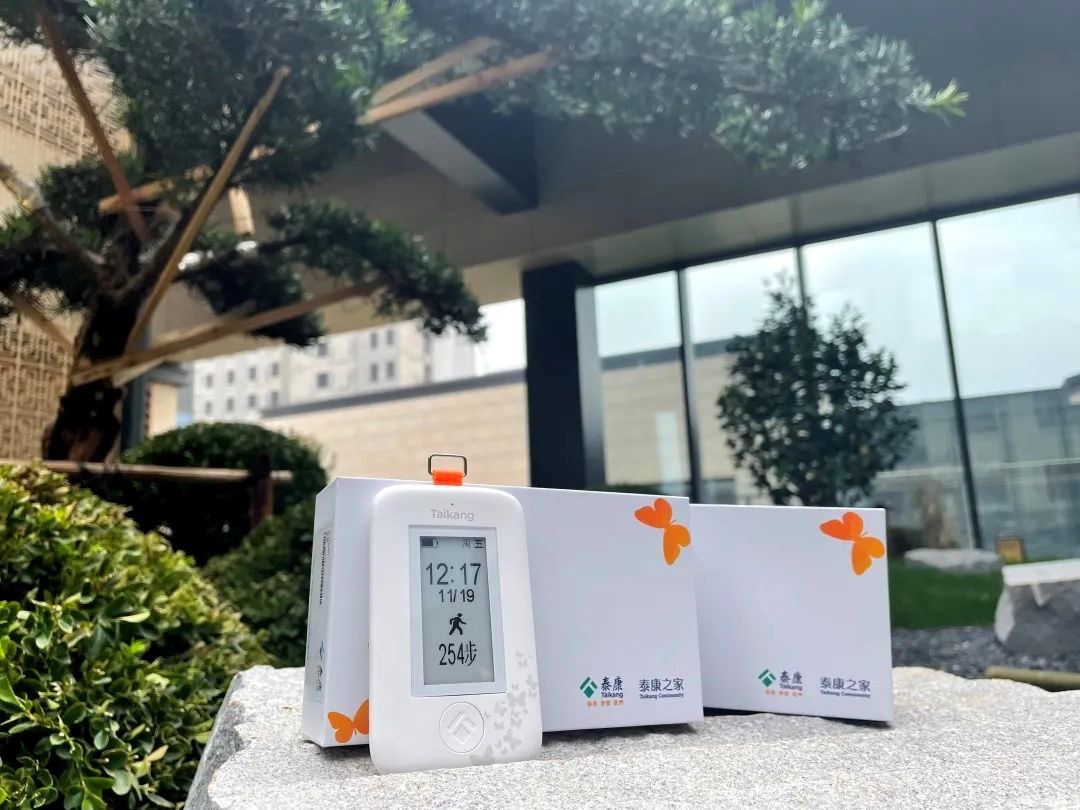 Emergency Positioning Alert Card
比如小小的紧急定位报警卡,集一键报警、精准定位、双向通话、门禁通行、消费支付等功能于一体,长辈只需轻按按键,管家、安保、医护团队便会同步收到求救信号,第一时间抵达现场开展紧急救助。针对有需求的居民配置的智能床垫,可长时间监测呼吸、心率、在床状态等核心数据,一旦出现异常波动,系统将自动触发预警。
With the support of these smart terminals, Taikang Community automatically generates dynamically updated personal digital health records for each resident. Meanwhile, by leveraging large model technology to continuously train on vast health data and professional medical knowledge graphs, the system can accurately match each elder's physical condition, lifestyle habits, and health needs, delivering personalized health management, chronic disease intervention, and rehabilitation care plans.
紧急定位报警卡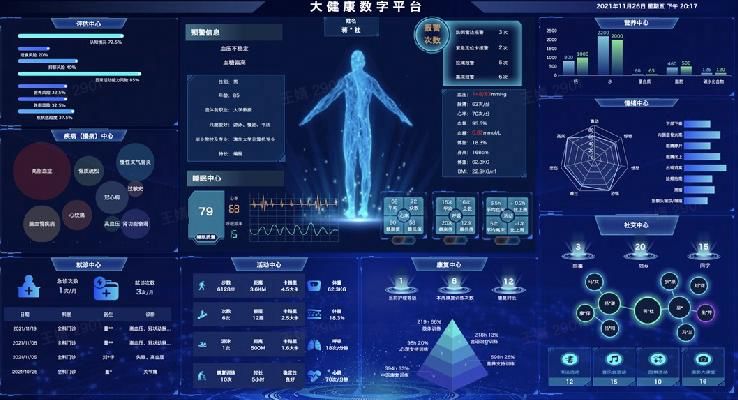 Taikang Community Digital Health Platform
在这些智能终端的支持下,泰康之家自动为每位居民沉淀形成动态更新的个人数字健康档案;同时,依托大模型技术对海量健康数据与专业医疗知识图谱进行持续训练学习,能够精准匹配每位长者的身体状况、生活习惯与健康需求,输出定制化健康管理、慢病干预及康复护理方案。
More importantly, behind the realization of these achievements is the robust sensing, decision-making, and execution capabilities of Taikang's self-developed AI-native smart healthcare and elderly care operating system—Taile OS. This system deeply integrates the three core elements of artificial intelligence into every capillary of business processes, forming a data and knowledge flywheel.
泰康之家大健康数字平台Here, it is essential to mention Xiao Tai Smart, an important daily companion for residents of Taikang Community. It serves as an intelligent assistant for seniors and, this year, through Taikang's self-developed large language model, retrieval-augmented generation (RAG) technology, and multi-agent architecture, has achieved three core functions: emotional companionship chat, Taikang knowledge inquiries, and automated execution of Taikang services. This enables elders to conveniently access various services simply by speaking, truly realizing "technology adapting to the elderly" rather than "the elderly adapting to technology."
更为重要的是,实现这些的背后,是泰康自主打造的AI原生的智慧医养操作系统-泰乐OS强大的感知、决策、执行能力提供的技术支撑,将人工智能三要素渗透到各业务流程的毛细血管中,形成数据和知识飞轮。
Of course, technology can also be "warm."
这里不得不提的是,泰康之家居民每天生活的重要陪伴者-小泰智能,它是长辈们的智能小助手,今年通过泰康自研大模型、搜索增强RAG技术,和多智能体架构,实现了三个核心功能:情感陪伴聊天、泰康知识查询和泰康服务自动执行,让长者动动嘴就能便捷享受各类服务,真正实现“科技适老”而非“老适科技”。
According to ARK Invest’s forecast, starting in 2024 the global “AI + emotional companionship” sector will explode—under an optimistic scenario—from just $30 million in annual revenue to a colossal $150 billion per year. One of the core audiences underpinning this vast potential market is the silver-haired demographic.
当然,科技同样也可以具有“温度”。
For example, the "Peipei" robot introduced at Chongqing First Social Welfare Institution not only provides psychological counseling through emotion recognition but also monitors real-time indicators such as heart rate and blood pressure, while offering entertainment and interactive features. Similarly, South Korea's Hyodol robot can automatically send alerts when detecting abnormal activity in elders.
根据AR KInvest的预测,从2024年起,全球“AI+情感陪伴”领域的年收入将从仅仅三千万美元,在乐观的情况下爆发性增长为一个每年1500亿美元的巨大市场。其中支撑这个巨大潜力市场的核心受众之一,就是银发人群。
AI companion robots are evolving from mere "emotional supplements" into comprehensive solutions integrating companionship, health, and safety, addressing the multi-layered needs of the elderly. However, it is important to note that, in the short term, emotional companionship AI products are still in their early stages, facing challenges such as limited proactive interaction, weak situational awareness, and significant cultural and dialect barriers.
重庆第一社会福利院引入的“裴裴”机器人,不仅能通过情绪识别进行心理疏导,还可实时监测心率、血压等指标,并具备娱乐互动功能;韩国Hyodol机器人还能在检测到老人活动异常时自动告警。
Therefore, for elders aging in place, community support and family visits remain more practical sources of emotional sustenance. For those opting for elderly care communities, rich social activities, peer interactions, and professional care can provide more comprehensive physical and mental nourishment.
AI陪伴机器人从“情感补充”延伸为集陪伴、健康、安全于一体的综合性解决方案,契合老年人多层次需求。不过需要注意的是,短期内情感陪伴类AI产品还处于起步阶段,存在主动交互和情境感知能力弱、文化和方言隔阂深等问题。
Taking China's renowned senior living community, Taikang Community, as an example: by the end of 2025, its operational communities nationwide had launched nearly 600 courses and established approximately 350 resident clubs, enabling seniors to enjoy greater spiritual fulfillment, a sense of achievement, and happiness. From knowledge sharing to hobby cultivation, social interaction to philanthropic activities, these thoughtfully designed platforms have not only rebuilt close-knit social networks for the elderly but also allowed every resident to find a sense of belonging and accomplishment through shared passions and companionship.
因此,对于居家养老的老人而言,社区关照与亲属探望仍是更现实的情感支撑;而选择养老社区的长者,更可通过丰富的社群活动、同辈社交与专业照护,获得更全面的身心滋养。
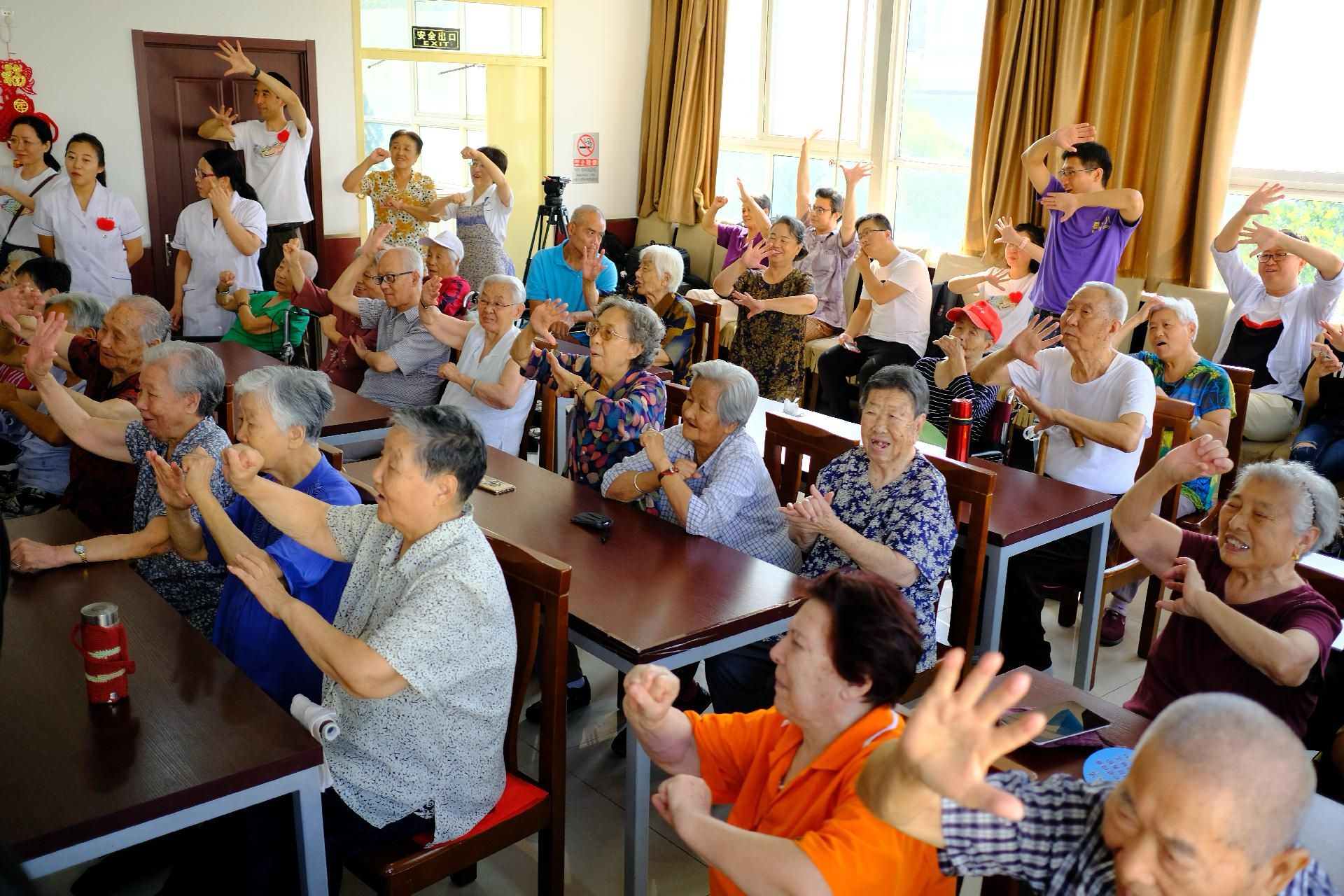
以国内知名的养老社区泰康之家为例,截至2025年底,全国已运营社区共开设近600门课程,拥有居民俱乐部约350个,让长辈享受到更多精神层面的价值感、获得感、幸福感。从知识分享到兴趣培养,从社交互动到公益实践,这些精心搭建的平台,不仅为长者重构了紧密的社交网络,也让每一位居民都能在热爱与陪伴中获得归属感、成就感。
II. How Can We Make a "Disneyland for the Elderly" Within Reach?
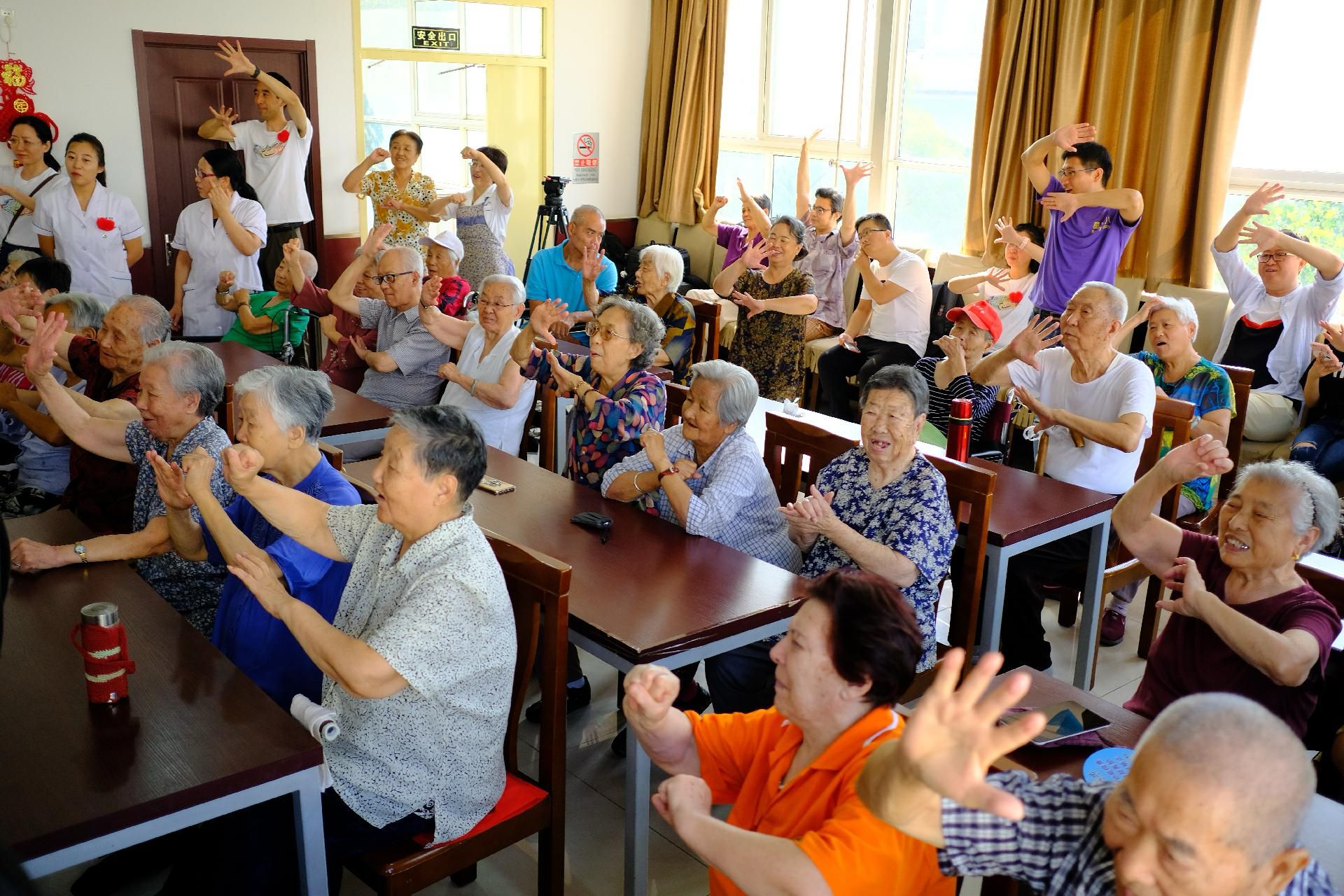
Young people flock to Disneyland in pursuit of fairy-tale-like joy and healing. For the elderly, however, high-quality elderly care institutions that offer comprehensive health protection, a rich spiritual life, and the comfort and security of a fairy-tale paradise have become their longed-for "Disneyland."
二、老年迪士尼,如何触手可及?
Yet between this beautiful aspiration and reality lies a gap that is hard to bridge—financial pressure and limited service accessibility leave most seniors “knowing it’s good but unable to enjoy it.”
年轻人爱去迪士尼,追逐的是童话般的欢乐与治愈;而对长者而言,全周期的健康守护、丰富多彩的精神生活、如同童话秘境般的舒适与安心,让高品质的康养机构成为他们心之向往的“迪士尼乐园”。
Economically, National Health Commission data show China’s elder-care follows a “90-7-3” pattern: roughly 90 % of seniors age in place, 7 % rely on community-based support, and only 3 % move into institutional care. The overriding reason for this stark imbalance is the severe mismatch between the price of elder-care services and seniors’ ability to pay.
但这份美好向往与现实之间,横亘着一道难以逾越的鸿沟——经济压力与服务可及性不足,让多数长者“知其好而难享其优”。
The Fifth National Sample Survey on the Living Conditions of Urban and Rural Older Persons reports that in 2021 China’s seniors had an average annual income of RMB 32,027; urban seniors averaged RMB 47,271, while rural seniors averaged RMB 14,105. Social-security benefits remain the dominant income source. By contrast, private elder-care facilities typically charge RMB 4,000–8,000 per month—well above most seniors’ means.
经济层面,据国家卫健委数据,目前我国养老呈现“9073”的格局:90%左右的老年人在居家养老,7%左右的老年人依托社区支持养老,3%的老年人入住机构养老。这一悬殊比例的核心成因,是养老服务价格与老年人支付能力的严重不匹配。
On the service side, high-quality elder care is concentrated in mid- to high-end institutions that ordinary families cannot reach. Traditional services also suffer from insufficient personalization, weak oversight, and uneven professionalism. Even seniors who can afford the fees often still fail to receive truly high-quality care.
《第五次中国城乡老年人生活状况抽样调查基本数据公报》显示,2021年,我国老年人年人均收入32027.4元,其中,城镇老年人年人均收入47270.8元,农村老年人年人均收入14105.4元;且在收入结构中,社会保障性收入依然是主要收入来源。而民营养老机构平均每月收费在4000元—8000元不等,与老年人的支付能力存在一定差距。
如何破解这一“向往却难及”的困境?
How can we overcome the dilemma of "aspiring but unable to access"?
服务层面,优质养老服务多集中于中高端机构,普通家庭难以触及;且传统养老服务存在个性化不足、监管缺失、专业度参差不齐等问题,即便部分长者能承担费用,也难享高质量服务。
As early as 2019, the Central Committee of the Communist Party of China and the State Council provided a clear answer in the National Medium- and Long-Term Plan for Actively Responding to Population Aging: strengthen the capacity for scientific and technological innovation in addressing population aging, position technological innovation as the primary driver and strategic support for actively responding to population aging, and comprehensively enhance the intelligent level of the national economic industrial system.
如何破解这一“向往却难及”的困境?
It is important to recognize that a key reason for the underdevelopment of elderly care services in China is the misalignment between prices and costs. Since increasing residents' incomes and enhancing their ability to afford elderly care is a slow process, reducing the institutional costs of elderly care services becomes critical to breaking the deadlock. leveraging technology to lower costs and improve efficiency has thus become an inevitable choice.
早在2019年,中共中央、国务院发布《国家积极应对人口老龄化中长期规划》中,就已给出明确答案:强化应对人口老龄化的科技创新能力,把技术创新作为积极应对人口老龄化的第一动力和战略支撑,全面提升国民经济产业体系智能化水平。
On the positive side, AI-assisted devices for diagnosis, rehabilitation training, and health monitoring are gradually being deployed and applied in chain-based, large-scale senior care institutions. Behind this successful implementation lies the strategic focus of these institutions, which have dedicated core resources to upgrading medical equipment and training professionals, thereby providing a solid foundation for technological adoption.
要知道,我国养老服务发育不足的重要原因是价格与成本的背离,而居民收入的提高和养老消费能力的提升是一个漫长的过程。这就使得降低养老服务制度性成本成为破局的关键,通过科技降本增效成为必然的选择。
Specifically, the use of intelligent monitoring devices to replace some manual patrols has enhanced operational efficiency. Meanwhile, the deeper integration of AI-assisted diagnostic systems has not only improved the accuracy of chronic disease management and ensured service professionalism and consistency but has also effectively controlled labor costs.
好的一面是,人工智能辅助诊疗、康复训练、健康监护等设备逐步在连锁化、规模化养老机构落地应用。而这一落地成效背后,离不开养老机构的战略聚焦,通过将核心资源投入医疗设备升级与专业人才培养,为技术落地提供支撑。
Chain-based expansion further amplifies the cost-reducing effects of technology. Centralized procurement of medical equipment, standardized service protocols, and digital management of operational processes… economies of scale dilute the upfront costs of technological investments, gradually making high-quality elderly care services more affordable for ordinary families.
具体来看,借助智能监护设备替代部分人工巡护,提升运营效率;同时,AI辅助诊疗系统的深入应用,不仅提高了慢病管理准确率,保障服务专业性与稳定性,还能有效控制人工成本。
If technology and chain-based models solve the problems of "high costs and fragmented services," then innovation in payment models provides critical support for seniors to overcome economic barriers.
连锁化布局则进一步放大了科技降本的效应。医疗设备集中采购、服务标准统一输出、运营流程数字化管理……规模效应摊薄了前期科技投入成本,让优质康养服务的价格逐步向普通家庭靠拢。
In 2012, Taikang launched the "Happy Life Plan," a product that links insurance with physical retirement communities, pioneering the innovative model of "life insurance payment + elderly care services." By purchasing life insurance products, seniors can not only enjoy long-term compound interest returns, building stable funds for their later years, but also use their policy benefits to secure residency rights at Taikang Community decades in advance. This eliminates concerns about future price increases or bed shortages.
如果说科技与连锁破解了“成本高、服务散”的难题,那么支付模式的创新则为长者跨越经济门槛提供了关键支撑。
This model effectively addresses the pain points of "high payment pressure now and uncertain elderly care in the future," receiving enthusiastic market feedback. To date, cumulative sales of the "Happy Life Plan" have exceeded 300,000 policies, making it a vital pathway for ordinary families to achieve quality retirement.
2012年,泰康推出链接保险与实体养老社区的“幸福有约”产品,首次将“寿险支付+养老服务”的创新模式落地:长者通过购买寿险产品,既能享受长期复利收益,为晚年储备稳定资金;又能凭借保单权益,提前锁定数十年后泰康之家养老社区的入住资格,无需担心未来服务价格上涨或床位紧张的问题。
Looking at the industry as a whole, China's social welfare system is steadily transitioning from a "residual model" to a "moderately inclusive model," and further toward a "universal model." The concept of "business for good" is becoming a significant driver in this process.
这一模式精准解决了“当下付费压力大、未来养老无保障”的痛点,市场反馈热烈:截至目前,“幸福有约”累计销量已突破30万件,成为普通家庭实现品质养老的重要路径。
Taikang's "Glorious Life Public Welfare Policy Plan" contributes to reducing service costs across the elderly care industry and enhancing grassroots service capabilities through various dimensions such as talent cultivation in the elderly care sector, material donations, and value guidance. This injects sustained philanthropic momentum into universal elderly care while continuously expanding the value boundaries of quality aging.
纵观整个行业,我国社会福利制度正从“补缺型”向“适度普惠型”,再向“普惠型”稳步迈进,而商业向善的理念正成为这一进程的重要助力。
When the cost-efficiency benefits of technological innovation, the scaling empowerment of chain operations, and the targeted solutions of payment models converge with the philanthropic extension of business for good, the "Disneyland for the elderly" that seniors envision is no longer out of reach.
泰康推出“幸福溢彩公益保单计划”,从养老产业人才培养、物资捐助、价值引领等多个维度,降低了整个养老行业的服务成本、提升了基层服务能力,为普惠养老注入持续公益动能的同时,也让品质享老的价值边界不断延伸。
当科技创新的降本增效、连锁布局的规模赋能、支付模式的精准破局,遇上商业向善的公益延伸,长者心中的“晚年迪士尼”不再遥不可及。
III. Exploring a Chinese Approach to Elderly Care
三、寻找中国式养老方案
Is the elder-care industry merely a profit-oriented racetrack, or is it a people’s-livelihood exam that carries social responsibility?
养老产业,究竟是逐利的商业赛道,还是承载社会责任的民生答卷?
Seen from the macro landscape, 310 million seniors have not only spawned a trillion-yuan market bonus; under the “active aging” strategy they constitute an epochal proposition. The ultimate value of the elder-care industry has never been limited to meeting basic care needs. Its real “sunrise” color is to take “tech for good” as its core, activate senior human capital through a sustainable model, and allow elders to keep realizing social value while living a life of quality and dignity.
从行业大盘来看,3.1亿老年人口不仅催生出千亿级市场红利,更是“积极老龄化”战略下的时代命题:养老产业的终极价值,从来不止于满足基础照料需求,而在于以科技向善为内核,通过可持续模式激活老年人力资源,让长者在有品质、有尊严的晚年生活中持续实现社会价值,这才是其真正的“朝阳”底色。
Yet in reality the industry is still mired in profit-driven short-sightedness. Search the web for “elder-care industry” and negative headlines appear daily: “×× care chain closes stores after cash-chain break,” “×× project suspended for illegal pre-sales,” “×× care ‘thunder’ exposed as financial fraud.”
然而现实中,行业发展仍深陷“逐利短视”的困局。在网页中搜索养老产业,“xx康养部分门店资金链断裂闭店”“xx项目因违规预售被叫停”“xx康养暴雷背后的金融骗局”等负面新闻屡见不鲜。
The root cause behind these failures is identical: the firms relied on short-term pre-payments or private loans—“short money”—to finance heavy-asset, long-cycle investments such as care communities and equipment purchases. Lacking steady cash flow for daily operations and devoid of long-term planning or compliance awareness, they either quietly exit after a cash-chain rupture or are shut down by regulators for violations. The result is a double wound: market order is disrupted, and consumer trust is overdrawn.
这些机构暴雷的症结高度一致。它们大多依赖短期预付费、民间借贷等“短钱”,去支撑养老社区建设、设备采购等“重资产、长周期”投入。既缺乏持续稳定的现金流支撑日常运营,又没有长期规划与合规意识,最终要么因资金链断裂黯然退场,要么因违规操作被监管查处,不仅扰乱了市场秩序,更透支了消费者的信任。
The contradiction is stark: on one side, nearly half of the nation’s elder-care facilities run at only 45 % occupancy, hovering at the edge of losses; on the other, high-quality projects have “one bed, years of waiting,” with queues in some premium communities lasting several years.
矛盾就此凸显:一边是全国近半数养老机构入住率仅45%,在亏损边缘苦苦挣扎;另一边却是优质养老项目“一床难求”,部分高品质社区的排队等候周期长达数年。
Behind this structural imbalance lies the clash between chaotic “fake” elder-care institutions and scarce genuine, quality services. The market does not lack demand; what it lacks is a sustainable business model—guided by tech for good—that can meet the multi-level needs of “secure aging, joyful aging, and contributive aging” and can stand the test of cycles.
这种结构性失衡背后,是伪养老机构的乱象与真优质服务的稀缺之间的矛盾。市场不缺需求,缺的是以科技向善为引领、能匹配 “老有所养、老有所乐、老有所为”多元需求、经得起周期考验的可持续商业模式。
A handful of insurance companies have emerged as front-runners. Take Taikang as an example: its “new life-insurance” model builds a self-consistent, endogenous ecosystem through the synergy of “payment + service + investment.” This differentiated design gives it a unique competitive edge and has allowed it to reach profitability earlier than peers.
部分保险企业,成为其中的佼佼者。以泰康为例,其新寿险就是通过“支付+服务+投资”三端协同,构建了一个自洽、内生的商业生态系统。这一模式的差异化设计,使其在行业中形成了独特竞争力,也为其较早实现盈利奠定了基础。
The Three-Pillar Synergy of the New Life Insurance Model
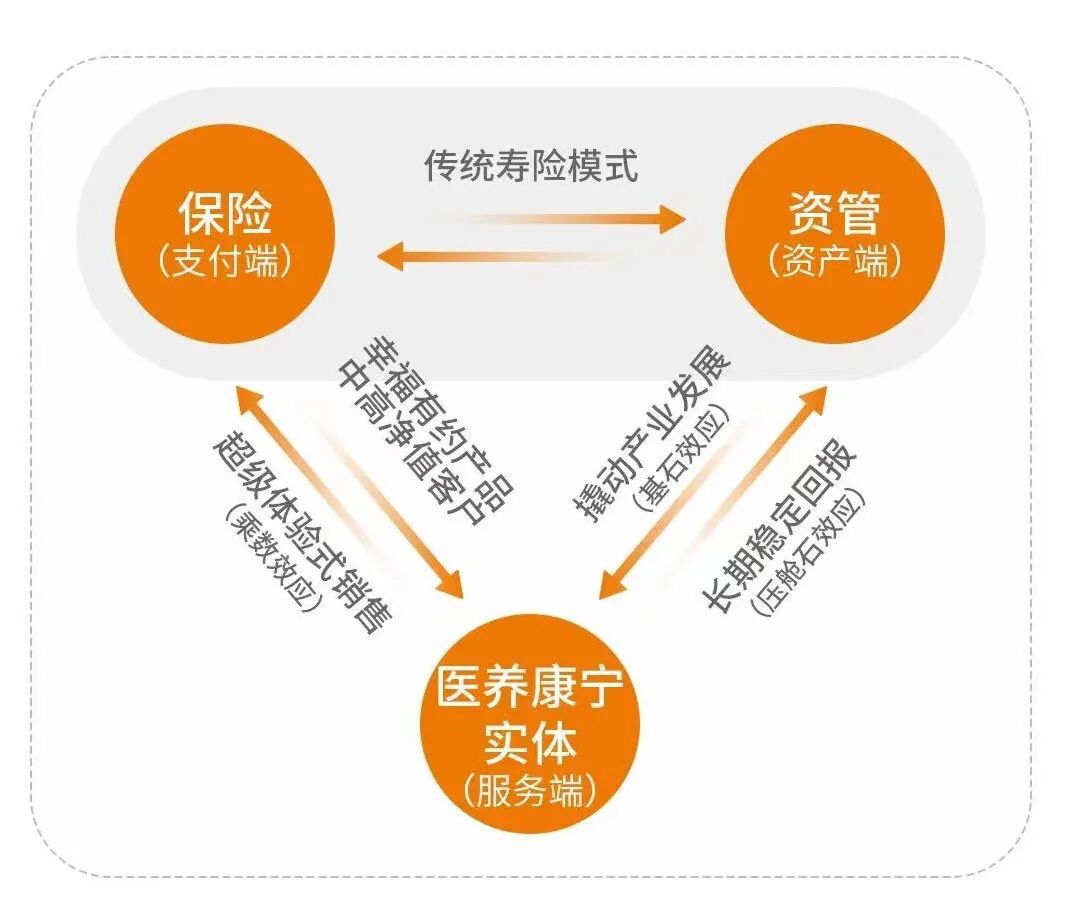 三端协同新寿险
On the payment front, comprehensive retirement insurance plans such as the "Happy Life Plan," which link policyholders with access to retirement communities, transform the "uncertainty of longevity risk" into a relatively "predictable financial arrangement and service commitment." This design not only offers seniors a viable option for retirement fund accumulation but also, through long-term stable cash inflows, provides financial support for subsequent technological upgrades in aging-friendly services and service quality optimization. To a certain extent, it mitigates the asset-liability mismatch risk commonly seen in the elderly care industry, where short-term funds are used for long-term investments.
支付端,“幸福有约”等一系列对接养老社区入住权的综合性养老保险计划仅将“不确定的长寿风险”转化为相对“确定的财务安排与服务承诺”。这一设计既为有需求的长者提供了养老资金储备的可选方案,也通过长期稳定的资金流入,为后续科技适老升级、服务品质优化提供了资金支撑,一定程度上规避了养老产业常见的“短钱长投”资金错配风险。
The service pillar serves as the value carrier and experiential core of the model. Taikang pioneered the introduction of the American CCRC (Continuing Care Retirement Community) model, which provides continuous care throughout the entire lifecycle of seniors. On one hand, Taikang ensures unified service standards through its self-operated model; on the other hand, it continuously enhances the experience through deep integration of technology. From real-time monitoring of vital signs to generating personalized health plans, from smart aging-friendly interactions to efficient response mechanisms, quality control is supported by standardization while being precisely tailored to meet the individual needs of seniors.
服务端是模式的价值承载与体验核心。泰康率先引入美国CCRC(Continuing Care Retirement Community)全生命周期照护模式,一方面通过自主运营模式确保服务标准统一,另一方面通过科技的深度融入持续优化体验。从生命体征实时监测到个性化健康方案生成,从适老化智能交互到高效响应机制,让品质把控既有标准化支撑,又能精准适配长者个体需求。
On the capital front, the "long-term, stable, and patient" nature of insurance capital aligns naturally with the approximately 10-year long return cycle of the elderly care industry. By adopting a heavy-asset model to independently invest in, develop, and operate communities, Taikang fundamentally reduces the risk of using short-term funds for long-term investments. This approach also ensures long-term planning and sustained investment in the communities.
资金端,保险资金“长期、稳定、耐心”的属性,与养老产业10年左右的长回报周期天然契合。泰康以重资产模式自主投资、开发并运营社区,从根源上减少了“短钱长投”的资金风险,也为社区的长期规划与持续投入提供了保障。
This innovative life insurance model has not only enabled Taikang to tap into a vast blue ocean in the era of longevity, addressing seniors' urgent demand for high-quality retirement living, but has also provided an inspiring "Chinese solution" for the financial industry to cross boundaries and empower the real economy, as well as for society to tackle the challenges of aging.
这样全新的寿险模式,不仅让泰康在长寿时代开辟了广阔蓝海,满足了长者对高品质养老的迫切需求,也为金融业跨界赋能实体产业、社会应对老龄化挑战,提供了极具启发性的“中国式解决方案”。
As a "slow business" integral to people's well-being, the elderly care industry has seen Taikang's exploration demonstrate that commercial value and social significance can be balanced through a rational model. However, any innovative path must strike a balance between leveraging advantages and managing risks. For the industry as a whole, only by facing challenges head-on and continuously optimizing can such models become more universally applicable, truly providing more seniors with quality and secure retirement options.
养老产业作为关乎民生福祉的“慢生意”,泰康的探索证明了商业价值与社会意义可以通过合理模式实现兼顾,但任何创新路径都需在优势发挥与风险防控之间寻求平衡。对于行业而言,唯有正视挑战、持续优化,才能让此类模式更具普适性,真正为更多长者提供有品质、有保障的养老选择。